You’re reading this blog post on healing from narcissist abuse, so, from the get go, I want to extend my love and encouragement with you for being brave enough to make your healing a priority. Maybe you’re not there yet, but I am hopeful that you’ll learn something valuable from here that will motivate you to do just that.
Narcissist abuse is, in my opinion, one of the most damaging forms of abuse. I don’t say this lightly. The inconspicuous nature of this abuse leaves victims feeling confused, helpless and out of touch with their reality and their sense of self. It creates fragments in a person’s evolving character and personality (especially if this abuse is prevalent in childhood) and hinders a person’s internal safety- making them doubt their abilities, reality and identity at large.
This sense of helplessness and disconnect can make it difficult to forge a path of healing.
Dr. Mike Dow, PsyD, PhD, a psychotherapist with extensive experience in helping people who have experienced emotional abuse in relationships explained in an article; “One of the biggest misconceptions is that all narcissists exhibit a very easy-to-spot grandiosity. While many do, there are also those who can appear shy or quiet on the outside, but secretly harbour grandiose plans, negative views of others, and a fragile ego on the inside.”
The insidious and manipulative nature of this abuse is where victims feel detached from themselves, as though they’re crazy or internalized things out of proportion.
Healing is possible, no matter how much your reality was denied. And it is necessary for you to accept the gravity of it all to move forward.
Many of us deny our victim stories, because, let’s be real, who wants to be recognized as a “victim”. That narrative is powerless and has no control. What is powerful, however, is owning the story to catalyse your healing.
- Accepting your victim stories
This is a tough step, but the most important, because many victims of narcissist abuse have been denied their reality through gaslighting and other emotional abuse tactics.

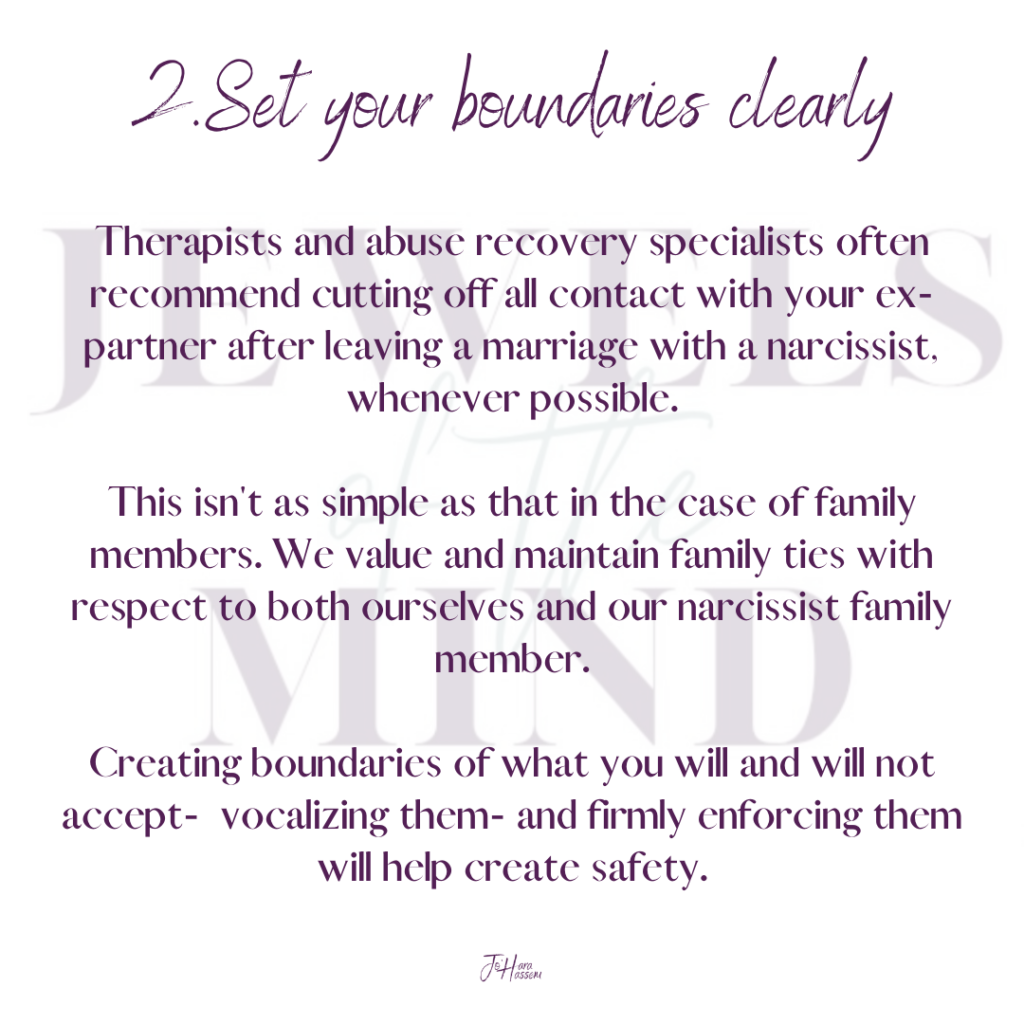
- Create a sense of safety with healthy boundaries
People that have fallen prey to narcissist abuse often struggle with healthy boundaries in a bid to feel accepted or on the contrary, create boundaries so rigid so as not to allow healing in.
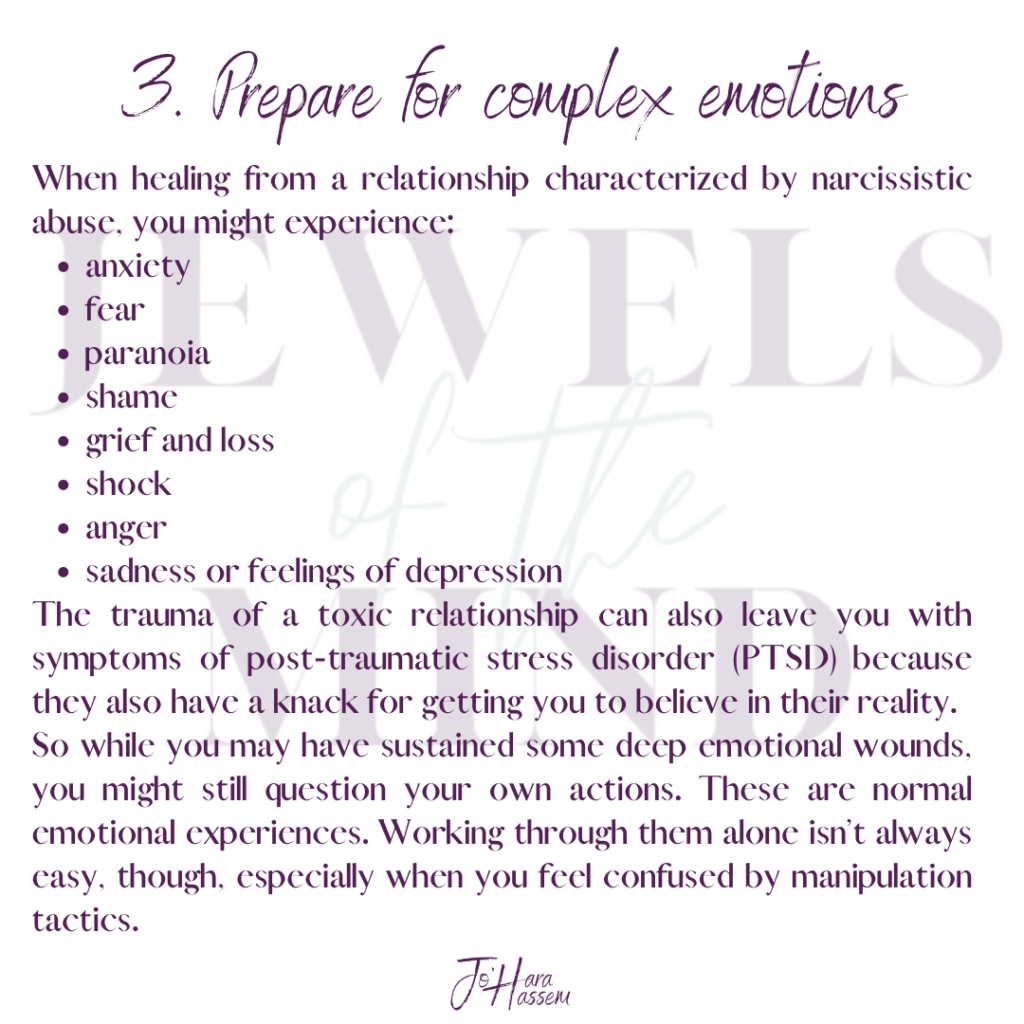
- Feel your feelings
When we want to heal, it’s important to accept that we’ll confront uncomfortable emotions. Healing is never linear. We will experience rises and falls as we progress. But healing is healing, and it looks different on everyone.
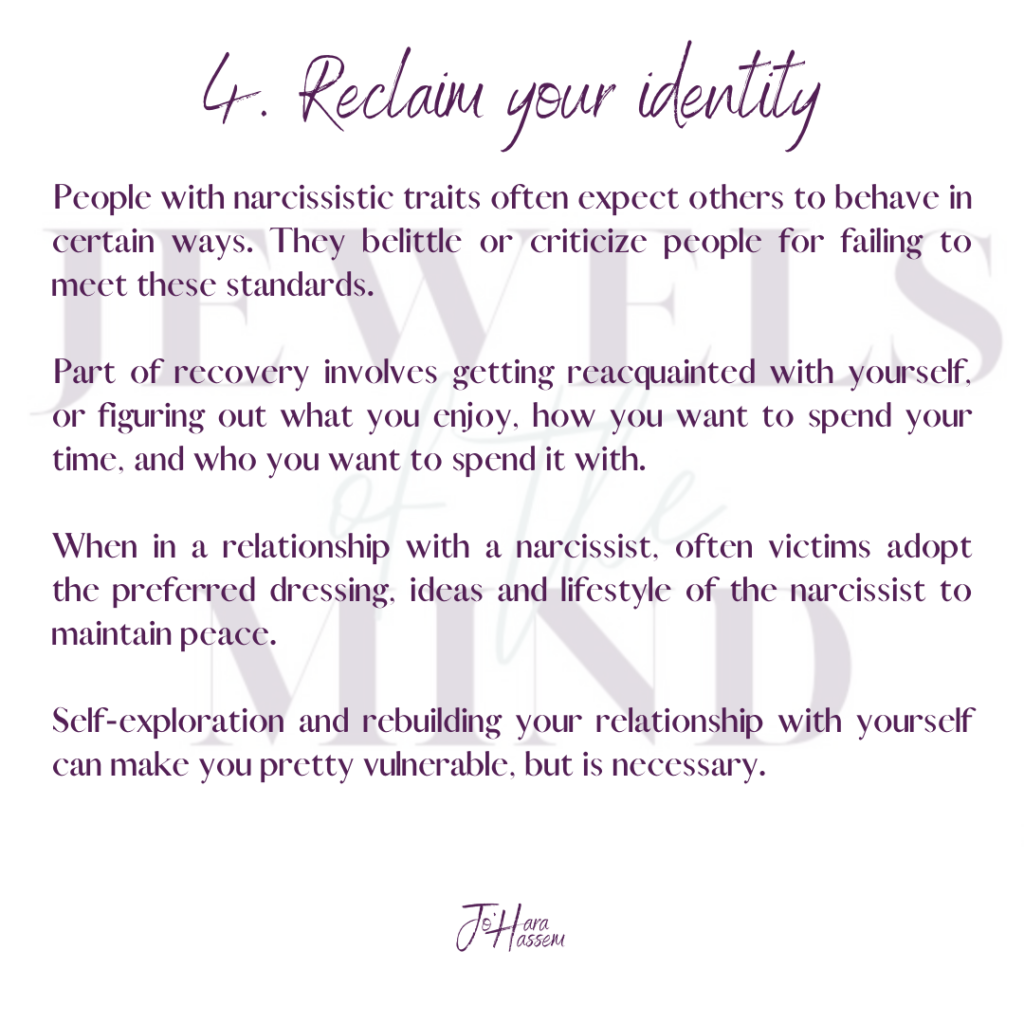
- Get to know yourself again.
Many people in relationships with narcissists or those who have been brought up by one, feel a sharp sense of losing their identity. This is in part because personalities fragment around abuse and because of the control and manipulation tactics used by a narcissist. Many adult children of narcissists will admit that many of the choices they made, even the “good” ones were driven by an approval from the narcissist in their lives. The same is true for people in relationships with narcissists, who navigate personal choices around the choices that would be most appealing to their narcissist husband/wife.
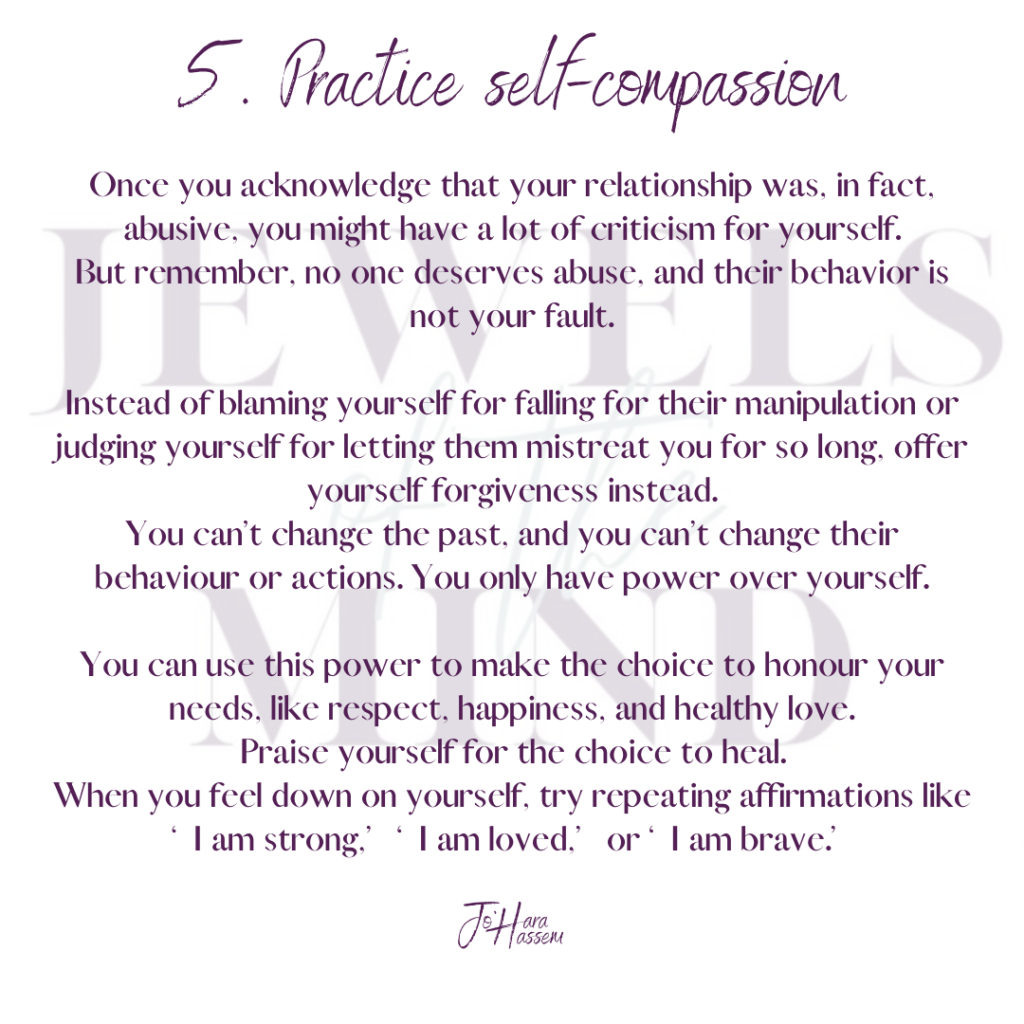
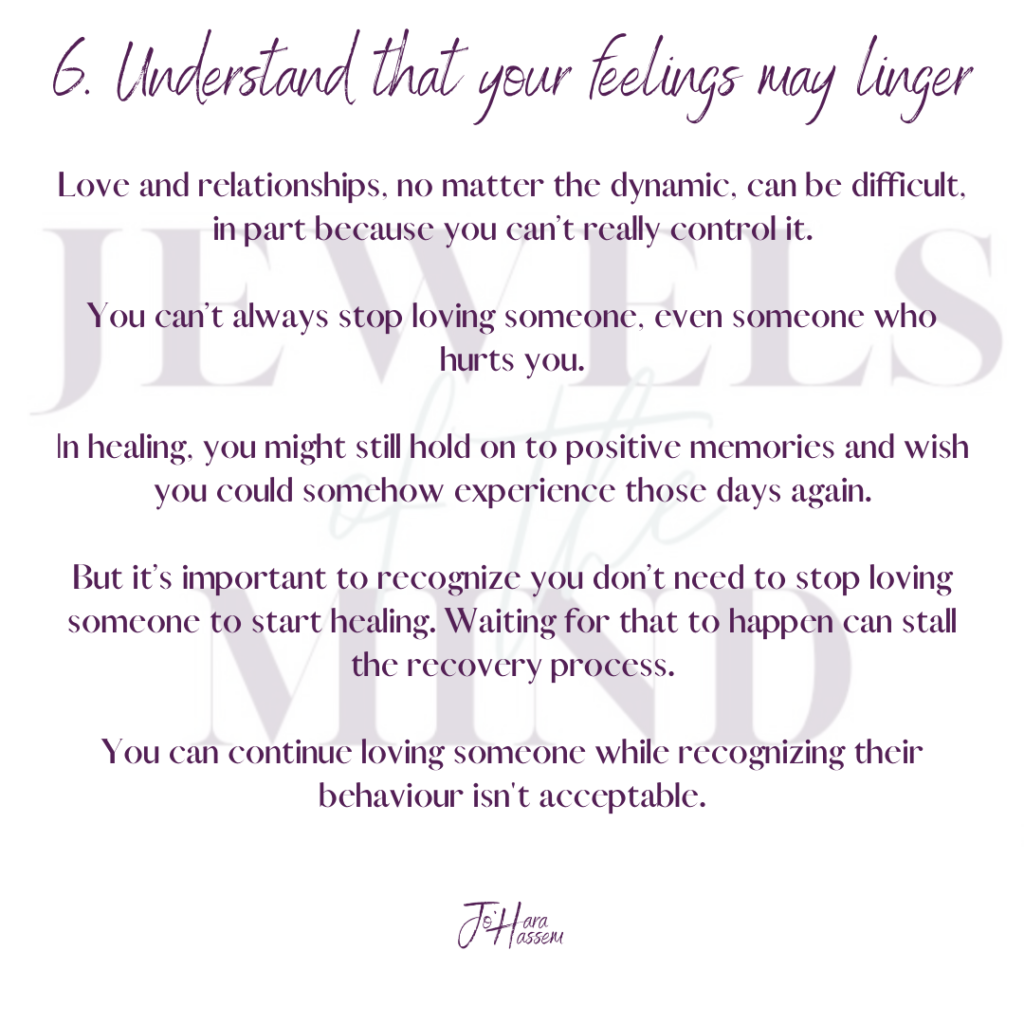
- Caring for yourself with love and compassion.
It’s normal to feel like your emotions are dangling off a pendulum, moving from blame to self-blame within seconds. Processing these complex emotions will feel like a rollercoaster. Observe yourself through a gentle, nurturing lens. Exercise compassion with yourself. Include a self-care routine that feels wholesome and pampering to yourself.
- Reconnect your mind to your body
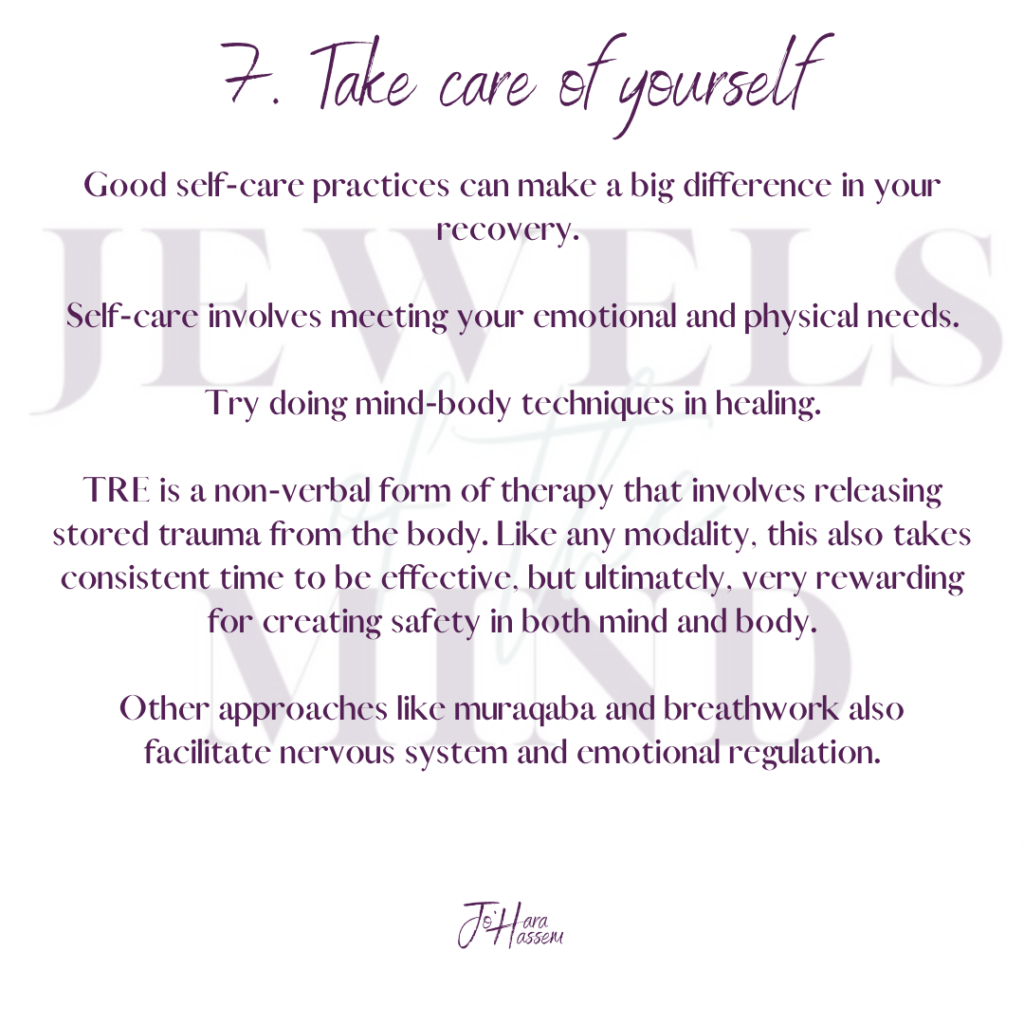
Mind-body techniques for emotional healing is imperative. Breathwork, yoga and my favourite, TRE (trauma release exercise) are just a few examples of strategies that work well. When there’s a disconnect between the mind and the body, it leaves a void, stalling the real healing process.
- Talking it out
It can be hard to admit to yourself that you’ve let someone hurt and manipulate you, but it’s nothing to be ashamed or guilty about. Seek out a therapist/coach who can help you identify the pain, and learn how to effectively set boundaries and honour your own needs.
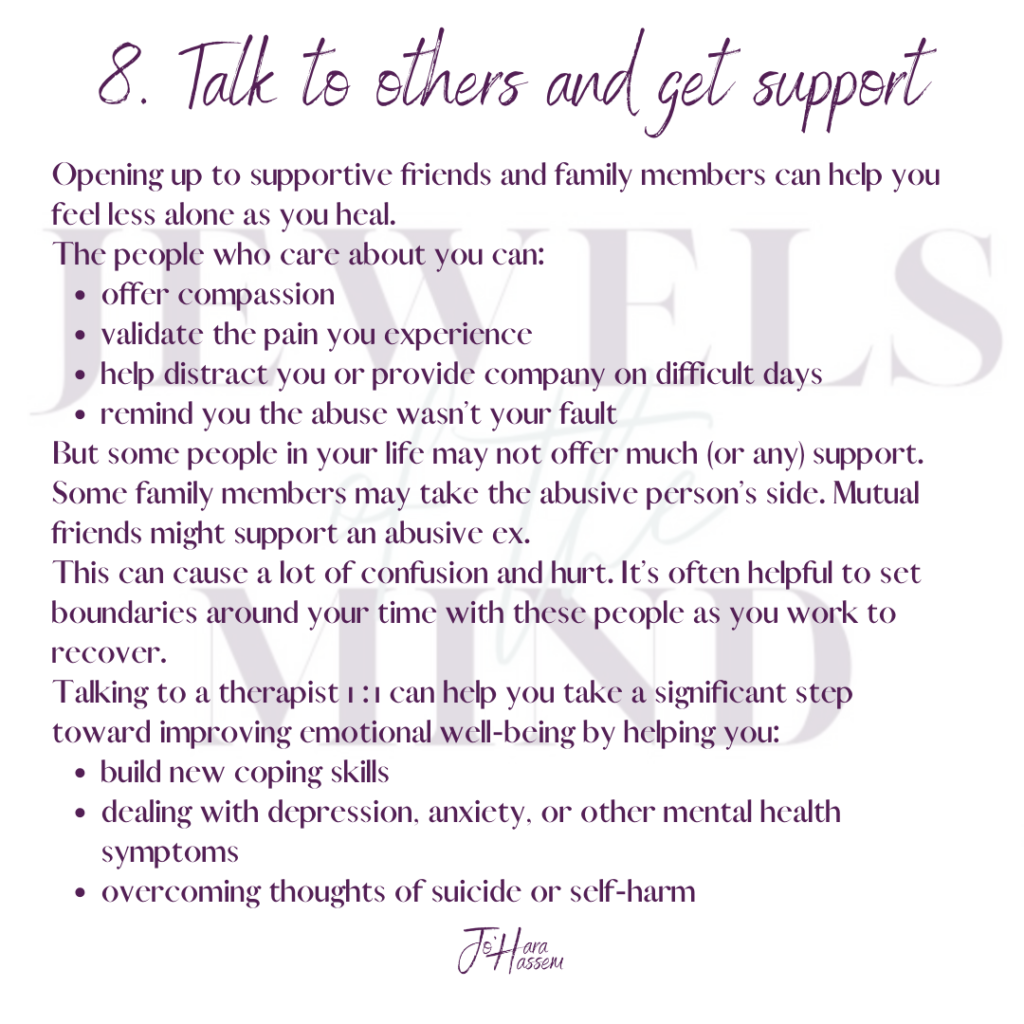
Therapy can also help you understand underlying factors that could make you more vulnerable to patterns of abuse.
To sum up, therapy offers a safe space where a trained, compassionate professional can help you explore and understand the mess of emotions you’re struggling to unpack.
You can heal, though it may not happen right away. Having someone to talk to, can help you feel more supported as you begin the journey.
Yours in healing
Jo’Hara


0 Comments